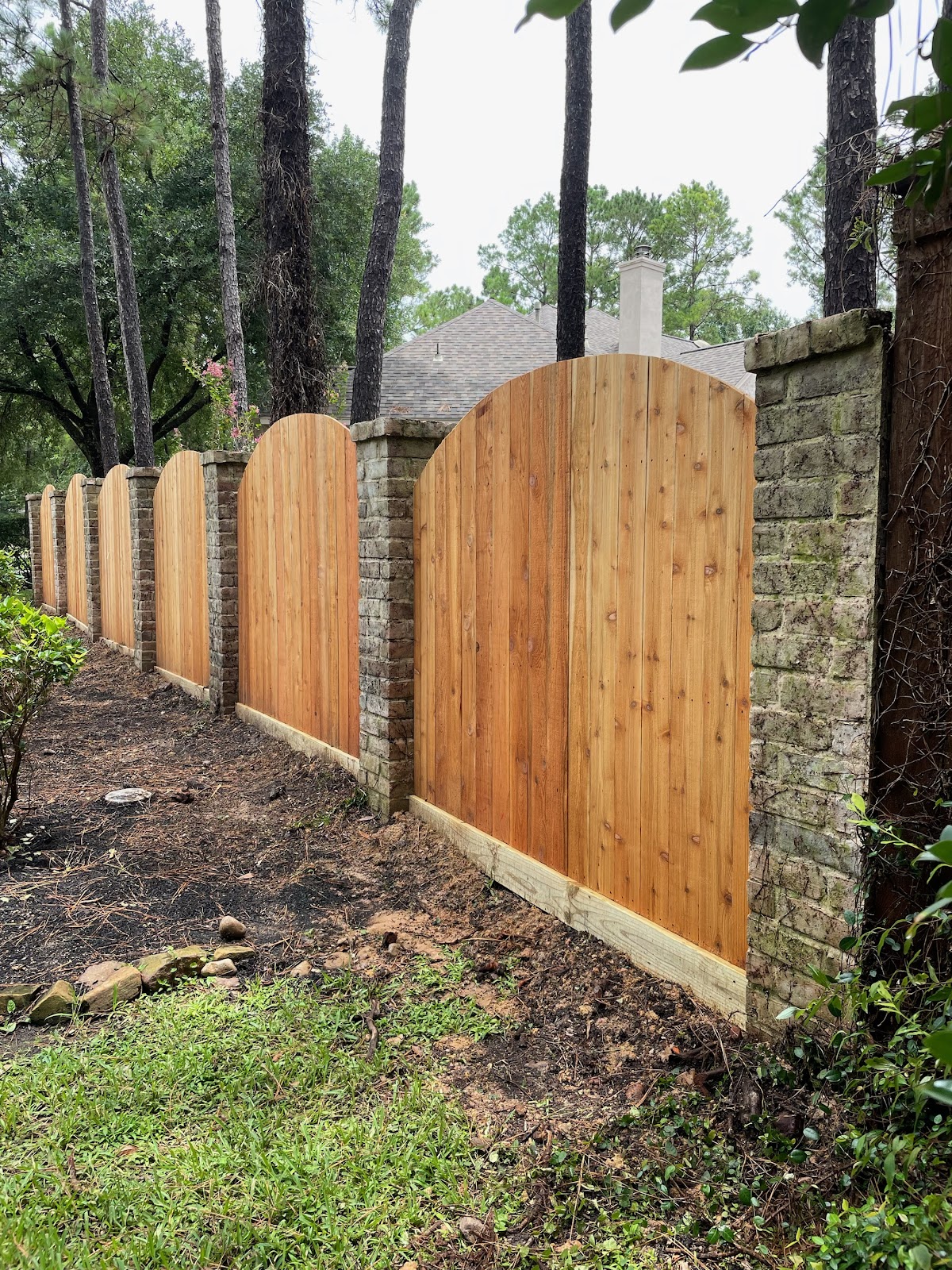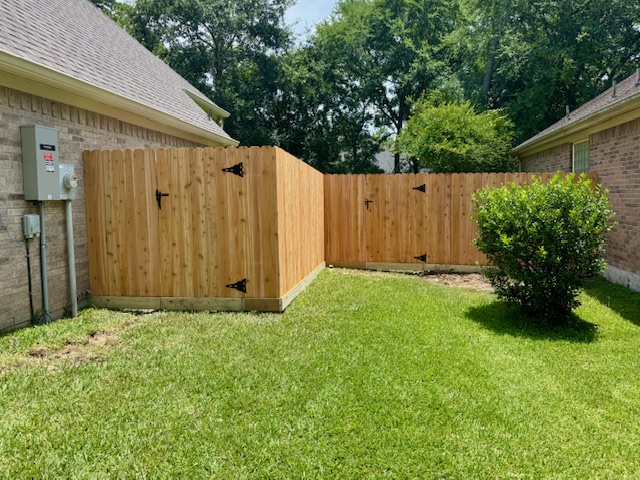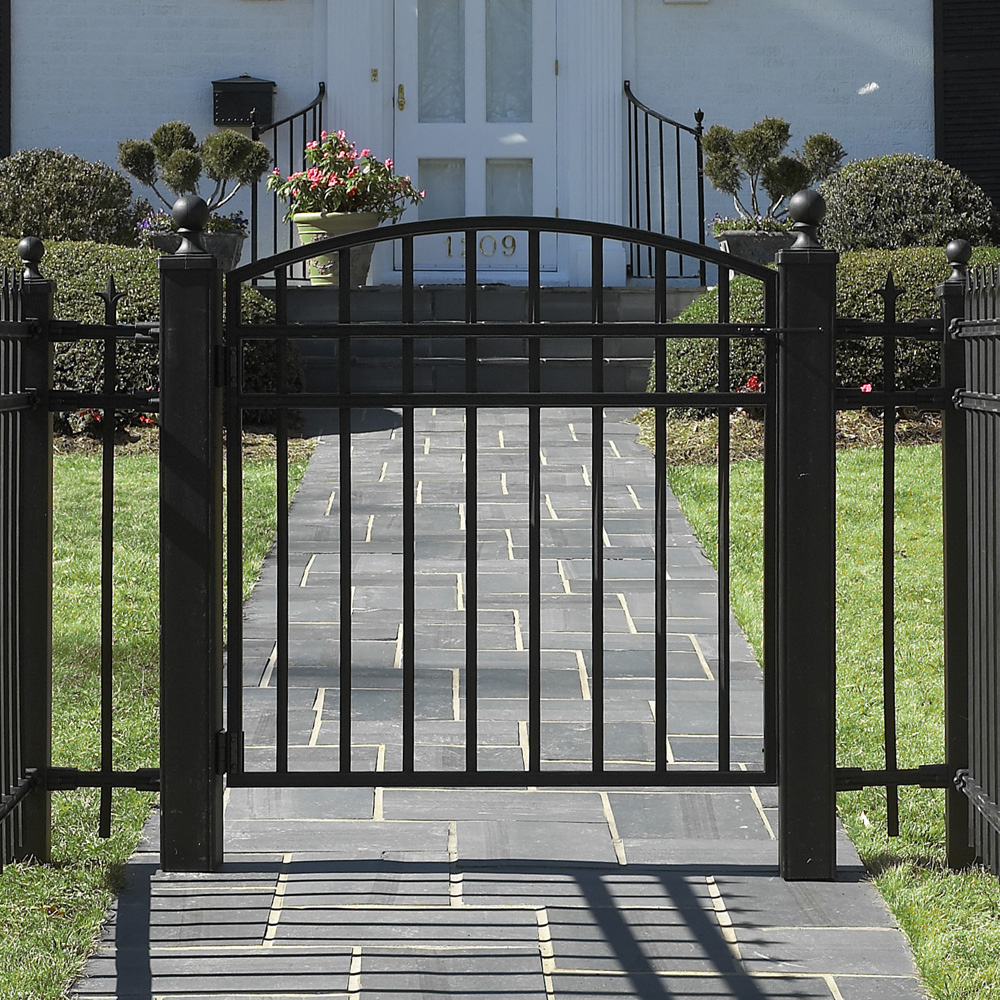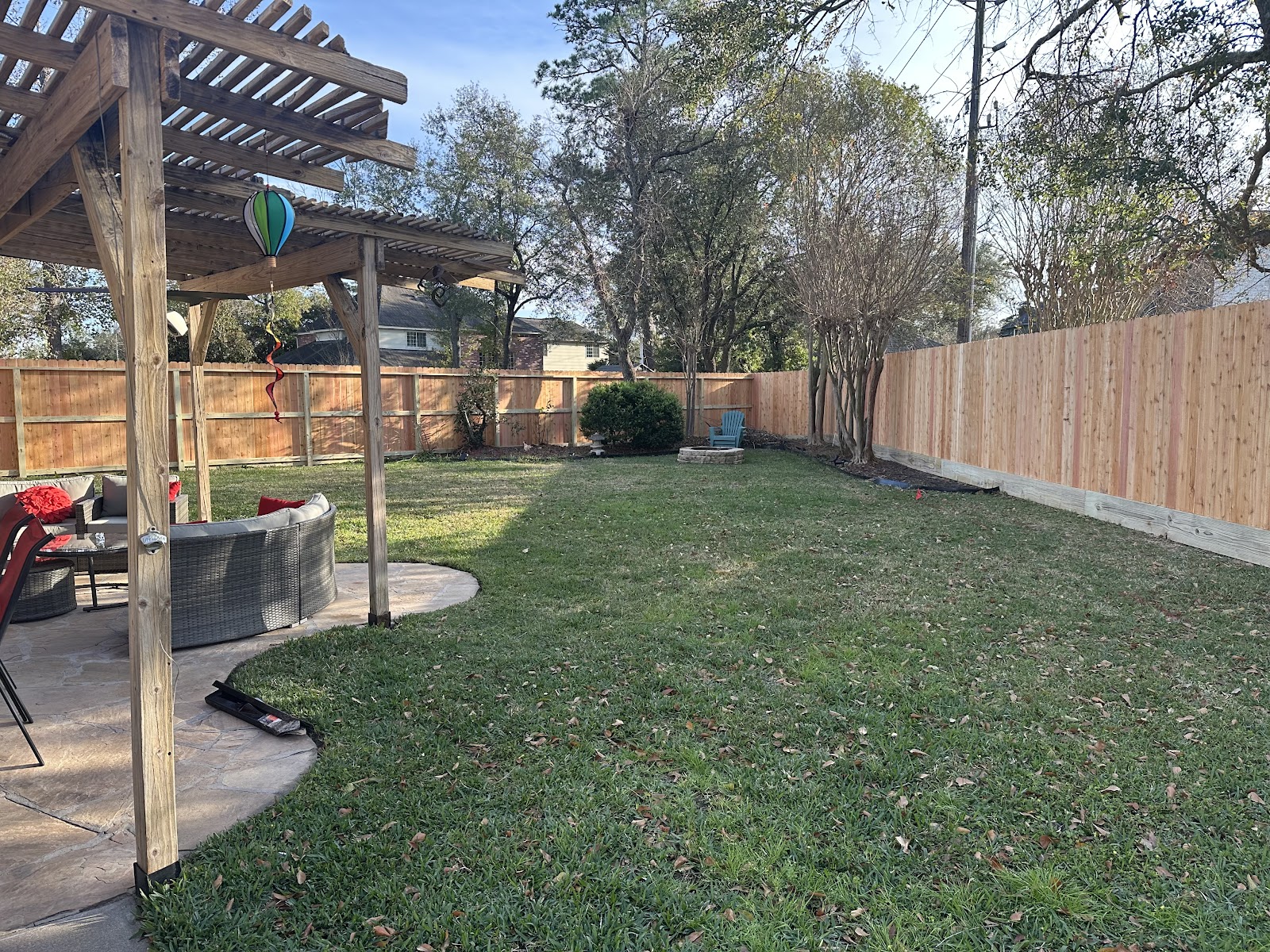
When you're planning a fence in The Woodlands, the height decision feels simple until you sit down and think about what you actually need. You want privacy from the street or your neighbor's yard. You want to stay under budget. And you probably have an HOA covenant hanging over your head that spells out exactly what's allowed. These three things often pull in different directions, and there's no magic number that works for everyone. We've installed hundreds of fences around The Woodlands, and the height question comes up in almost every conversation. Here's what actually matters when you're deciding.
HOA Restrictions Come First
The Woodlands has some of the most detailed HOA guidelines in the Houston area, and they vary significantly by section. Most residential areas allow a maximum of 6 feet in the backyard, but some neighborhoods cap it at 5 feet. Front yard fencing is almost always more restricted, often limited to 4 feet. Before you talk to anyone about a fence, pull your HOA documents or call your community association. I've seen homeowners invest time and money in a design, only to find out it violates their restrictions. That conversation is free and takes fifteen minutes. The alternative is expensive.
Some HOAs also have rules about materials and colors that tie directly to height. A 6-foot vinyl fence looks different than a 6-foot wood fence, and some communities care about that distinction. Your HOA might allow 6 feet of wood but restrict vinyl to 5 feet. Check those details while you're reviewing the height limits.
Privacy Starts at 5 Feet but 6 Feet Works Better
A 5-foot fence gives you some visual barrier, especially if you're sitting on a patio. When you're standing up, you can still see over it into a neighbor's yard or have them see into yours. Most people who say they want privacy actually need 6 feet. That's the height where an average adult standing in the yard can't see over the top, and neighbors can't easily see in.
The trade-off is that 6 feet costs more than 5 feet. You need more material, more posts, and more labor. For a typical residential lot in The Woodlands, the jump from 5 to 6 feet adds roughly 15 to 20 percent to your total fence cost, depending on the material. If your budget is tight and your HOA allows 6 feet, you might start with 5 feet and plan to upgrade later. If privacy is the main reason you're building the fence, though, going to 6 feet from the start makes sense.
Cost Scales Predictably with Height
Wood and vinyl both follow the same cost pattern: more height means more material and more labor. A 4-foot wood fence in The Woodlands typically runs between 20 and 30 dollars per linear foot installed. A 6-foot fence in the same material runs 35 to 50 dollars per linear foot. Vinyl costs more upfront but lasts longer without maintenance. A 6-foot vinyl fence usually runs 40 to 60 dollars per linear foot installed.
Those numbers assume a standard residential installation on level ground. If your property slopes, has trees you want to work around, or needs gate access, the cost per foot can shift. The Woodlands terrain is generally flat, which keeps installation costs predictable, but soil conditions and drainage matter for post depth. We always account for proper post depth in our quotes, which affects total cost regardless of height.
Your lot size also matters. A small corner lot with 150 linear feet of fencing is a different budget conversation than a half-acre property with 400 linear feet. Taller fences on larger properties add up quickly. Before you decide on height, know your square footage and linear footage. That's the real number that drives your total cost.
Wind Load and Weather Considerations
The Woodlands sits in an area where summer storms and occasional hurricanes bring serious wind. A 6-foot fence catches more wind than a 5-foot fence, and the posts need to be set deeper and more securely to handle that load. This isn't just about code compliance, though Texas wind resistance codes do require proper installation. It's about your fence standing for ten or fifteen years without leaning or failing.
If you go with 6 feet, make sure your contractor is setting posts at least three feet deep and using concrete footings. Vinyl fences need even more attention to post strength because the material doesn't flex the way wood does. A poorly installed 6-foot fence becomes a liability in a storm. A properly installed one survives without issue.
Sight Lines and Neighbor Relations
A taller fence changes what your neighbors see and experience. If you're building a 6-foot fence on the property line, your neighbor is now looking at a six-foot wall. Some people are fine with that. Others feel enclosed. Before you commit to maximum height, consider whether a slightly shorter fence with a good design solves your privacy issue without creating tension.
Some homeowners plant trees or shrubs along a 4 or 5-foot fence, which adds privacy without the visual weight of a full 6-foot solid fence. That approach costs less, looks better to neighbors, and still gives you the screening you need if you're patient for the plants to mature.
Make the Decision Based on Your Real Needs
Start with your HOA limit, then work backward from there. If privacy is critical and your HOA allows 6 feet, build 6 feet. If you're on a tight budget and your HOA allows 5 feet, that's a solid middle ground. If you're unsure, call Right Fence Company and we'll talk through your specific situation. We've worked in The Woodlands long enough to know the community standards, and we can help you pick a height that meets your needs and your HOA rules without wasting money.