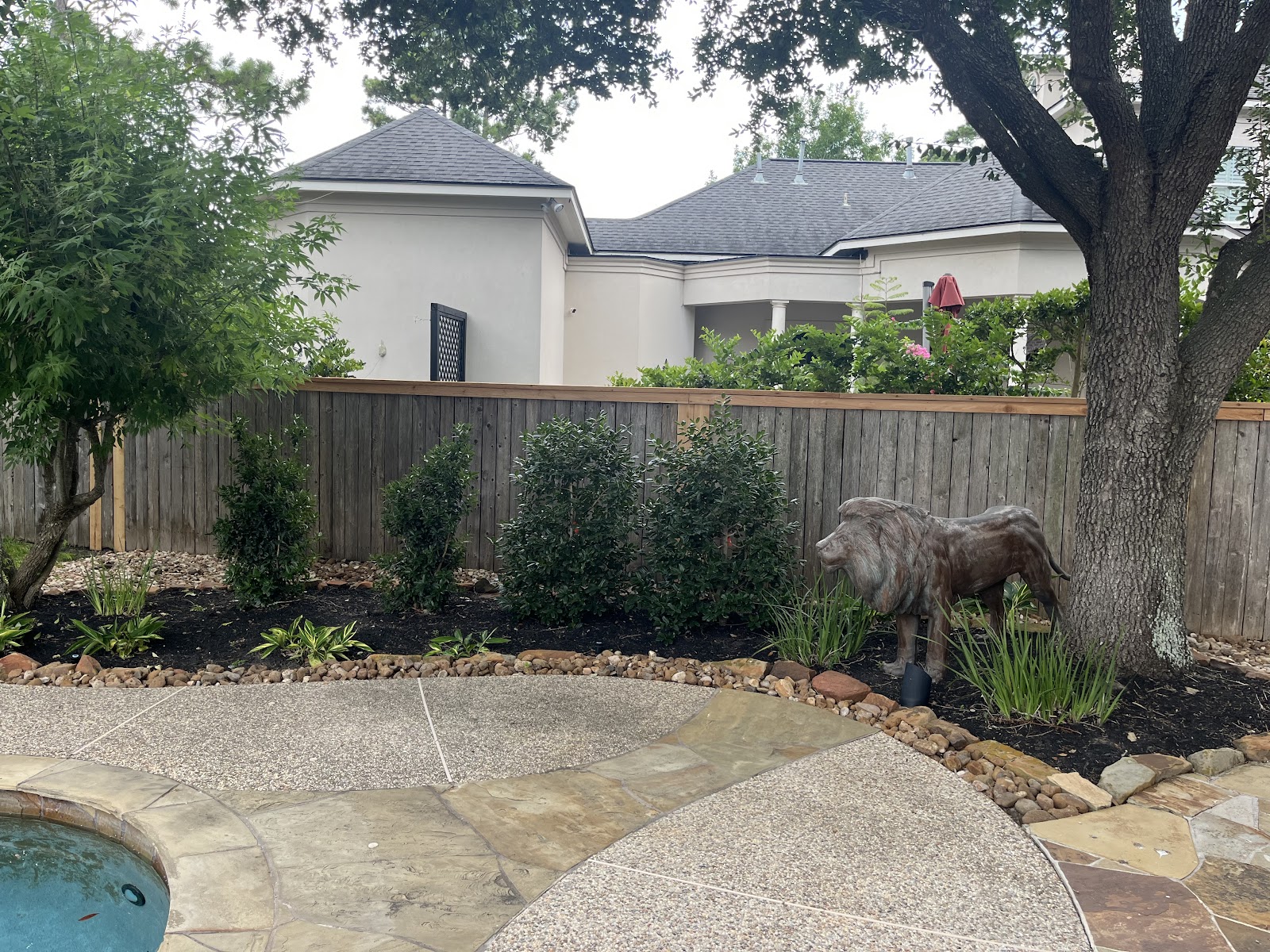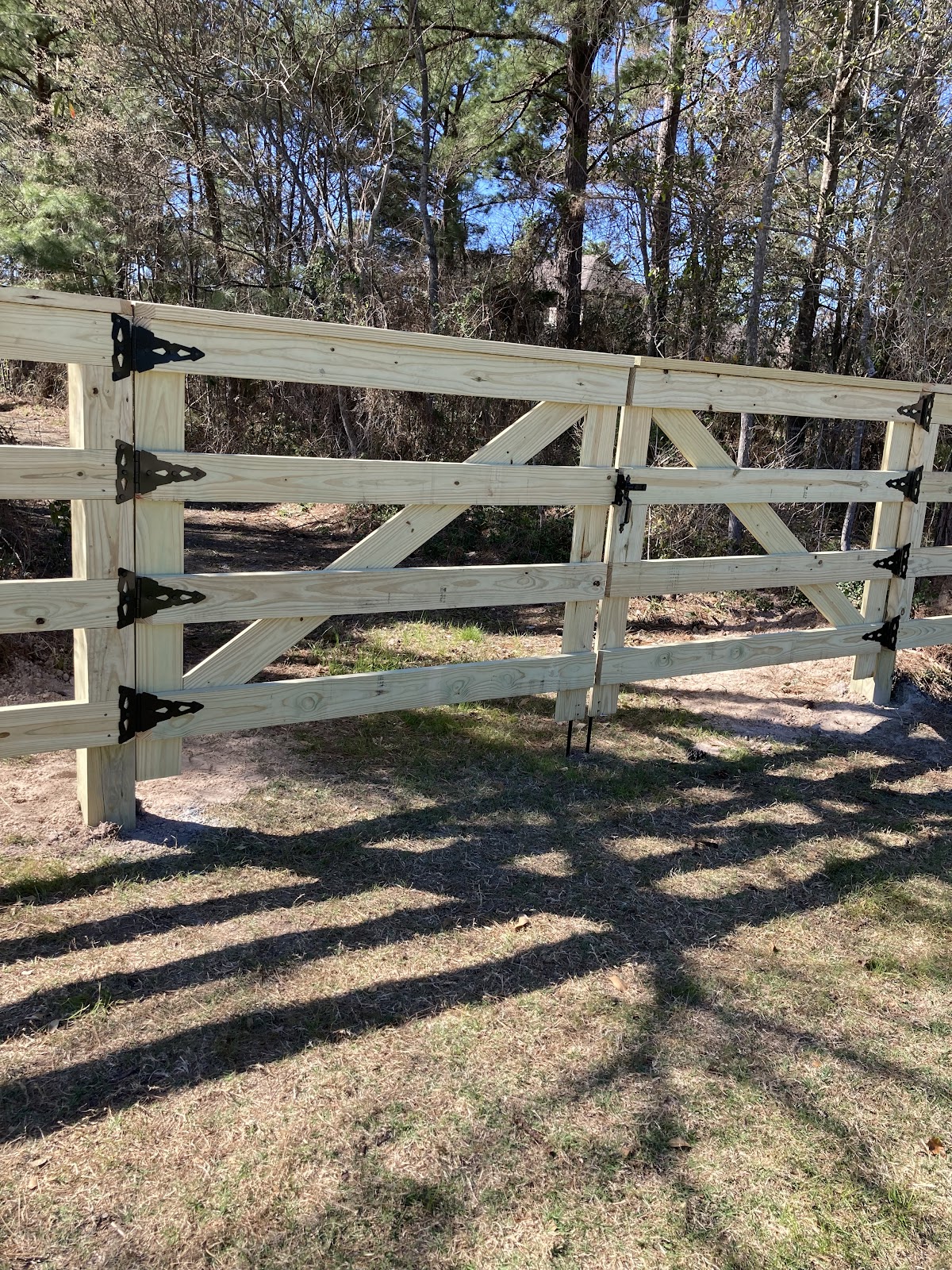
When your HOA sends back a rejection letter on your fence design, it feels like a dead end. But it usually isn't. Most rejections happen because the proposal didn't match the covenants, or the submittal was incomplete, or the HOA simply wanted clarification on materials or height. The good news is that rejections are fixable. You can revise and resubmit. The key is understanding what went wrong the first time so you don't waste another month waiting for a second round of "no."
Read the Rejection Letter Word by Word
The HOA's letter tells you exactly what they didn't like. They might say the fence height exceeds guidelines, or the material isn't on the approved list, or the color doesn't match the neighborhood standard. Some HOAs are vague, but most give you a reason. Pull out the letter and compare it line by line to your original submission and to the CC&Rs (Covenants, Conditions, and Restrictions) for your community. If they cite a specific rule, look it up. If the rejection mentions "architectural review standards," ask your HOA for a copy of that document. Don't guess. Guessing leads to another rejection.
Check Your Original Submittal Against the Rules
A lot of rejections happen because the homeowner didn't read the HOA guidelines carefully before submitting. The Woodlands has different architectural standards depending on which section you live in. Some neighborhoods allow vinyl and aluminum. Others require wood or composite. Some have strict height limits at the front. Others are flexible on the side or back. Before you redesign anything, sit down with the CC&Rs and the HOA's architectural guidelines and make sure you know what's actually allowed. If you can't find the guidelines online, call your HOA office and ask them to email the fence design requirements. They have to provide this.
Consider a Different Material or Style
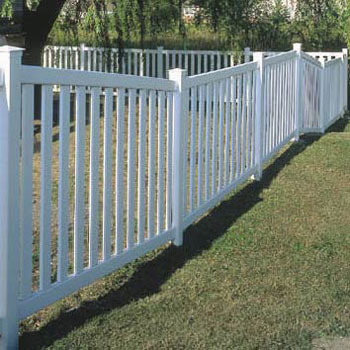
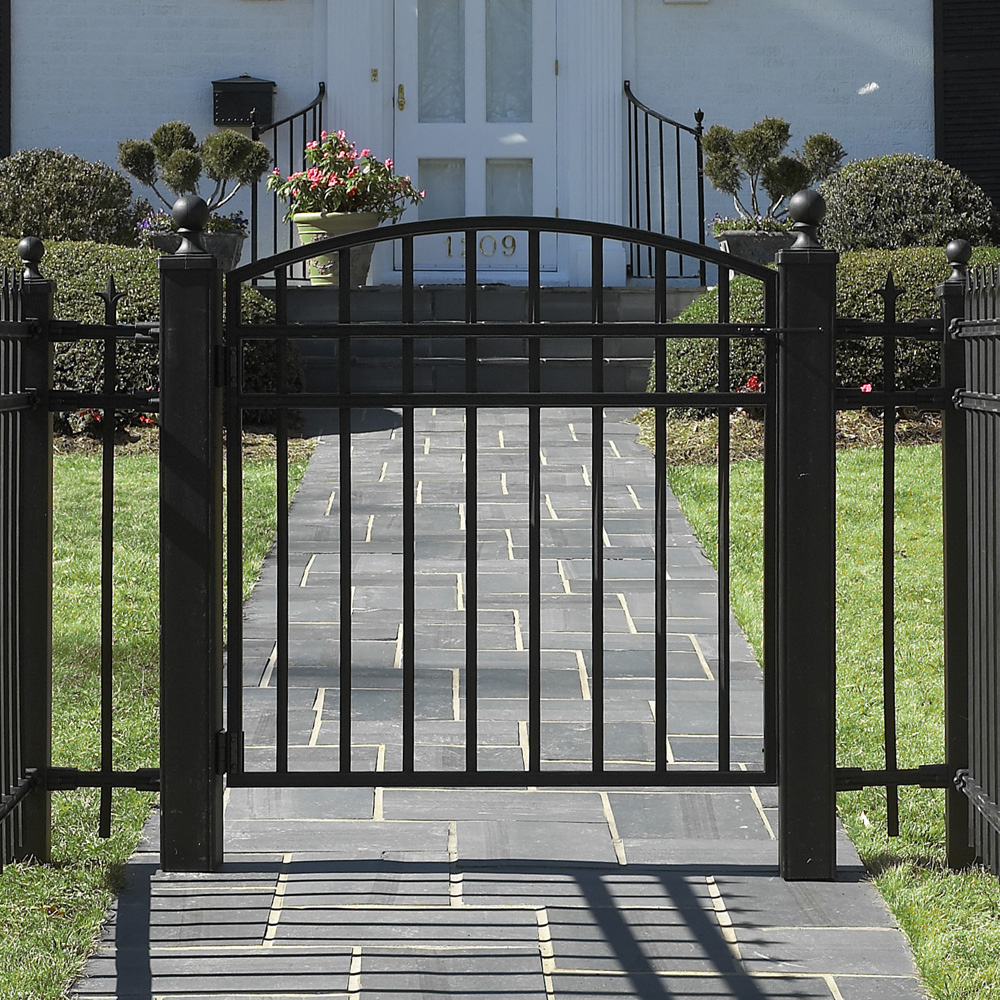
If your first design used a material that isn't approved, your options are to switch materials or request a variance. Switching is usually faster. In The Woodlands, wood privacy fences are almost always approved. Vinyl is approved in most sections. Aluminum and metal fencing work well if your neighborhood allows it. Picket styles, board-on-board, and horizontal slat designs all tend to pass review because they're common and match the neighborhood aesthetic. If you had your heart set on a modern metal fence with a sleek finish, you might need to compromise on style to get approval, or you might need to request a formal variance, which takes longer and isn't guaranteed.
Know When to Request a Variance
A variance is a formal request to deviate from the rules. You use it when you want a design that doesn't fit the guidelines but you believe it's appropriate for your property. Variances require more paperwork, usually involve a hearing or committee review, and take weeks longer than a standard submission. They also cost money and aren't always approved. However, if your property has a legitimate reason for needing something different, a variance is your path. For example, if you have a steep slope or a tree that makes a standard fence impractical, you can explain that to the HOA. If you just want a different style because you like it, a variance is probably not worth the time and cost. It's simpler to choose an approved design.
Work with a Local Fence Company
This is where we come in. Right Fence Company has installed hundreds of fences in The Woodlands, and we know the HOA rules for every section. We've seen what gets approved and what doesn't. When we design a fence for you, we build it to HOA standards from the start. We can also help you navigate a resubmission. We know which materials the HOA prefers, which heights and styles are standard in your neighborhood, and how to present your design so it passes the first time. We can also advise you on whether a variance makes sense for your situation. If you already have a rejection, bring us the letter and the guidelines. We'll tell you what needs to change and why.
Submit a Clean, Complete Second Application
When you resubmit, include everything the HOA asked for. If they wanted photos of your property, include them. If they wanted a site plan showing the fence location and setbacks, provide it. If they wanted color samples, send those. A complete, professional submission tells the HOA you're serious and you've read their requirements. Incomplete submissions get rejected again. Make sure the fence height, material, and color all match the approved guidelines. If you're working with a fence company, ask them to review your application before you send it. A second rejection is demoralizing. A clean resubmission usually gets approval.
Getting an HOA rejection is frustrating, but it's not a stop sign. Most homeowners in The Woodlands get approval on their second submission when they address the specific concerns and follow the guidelines. Right Fence Company can help you understand what went wrong and design a fence that works for your property and your HOA. Call us to talk through your options.