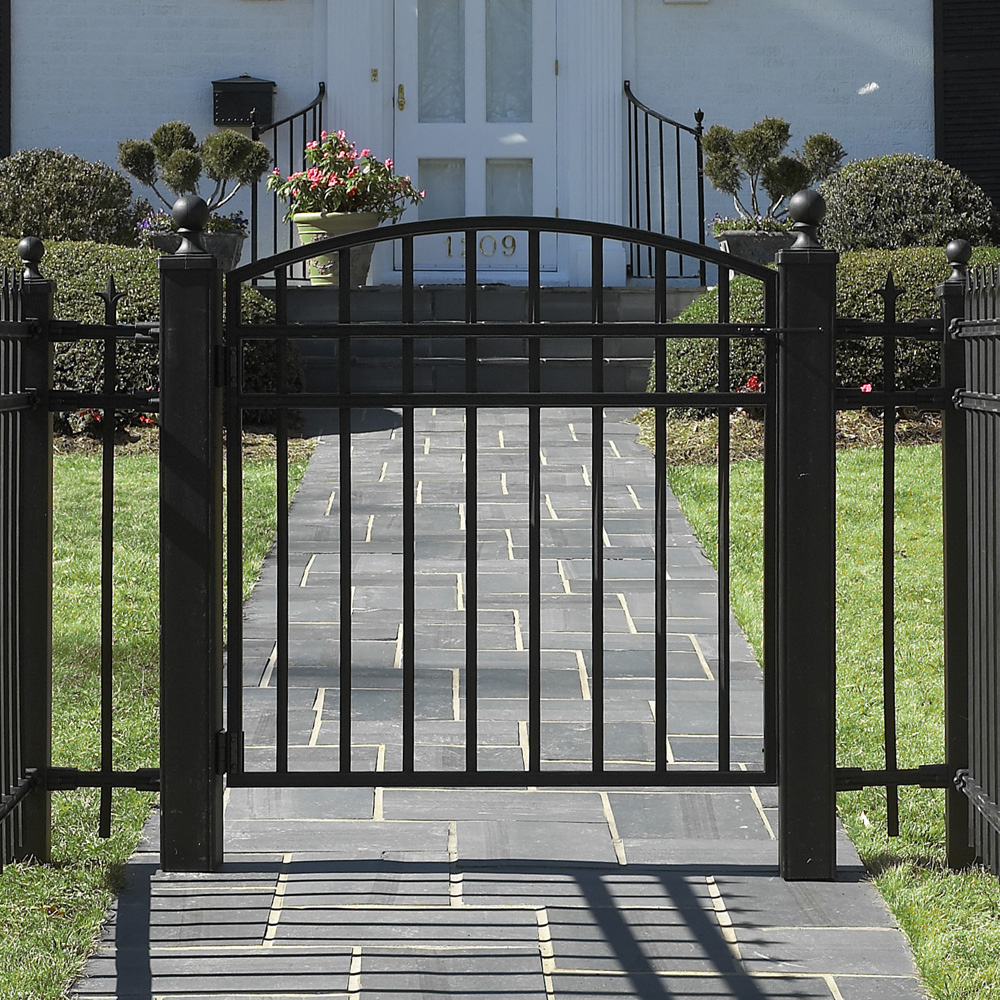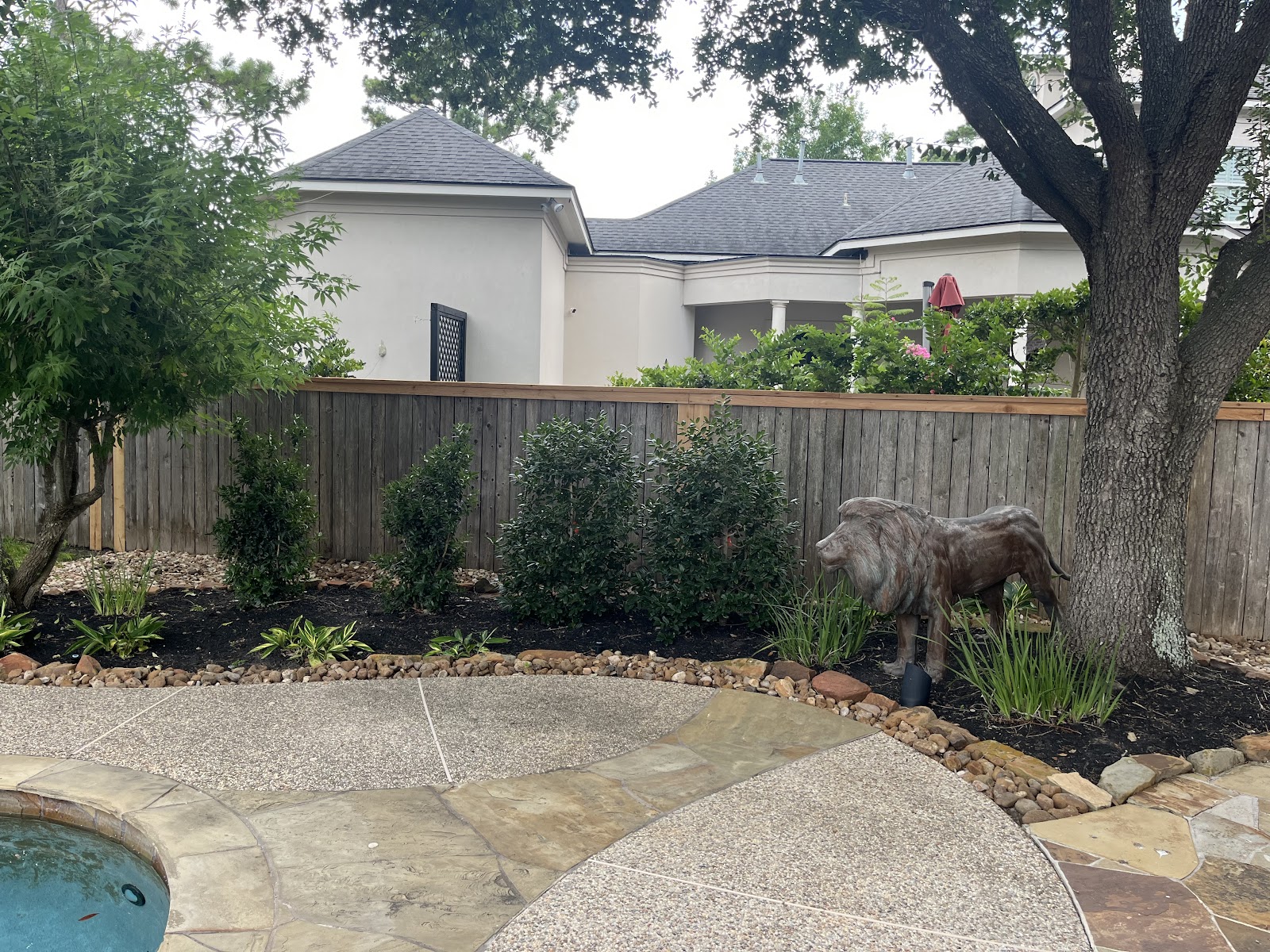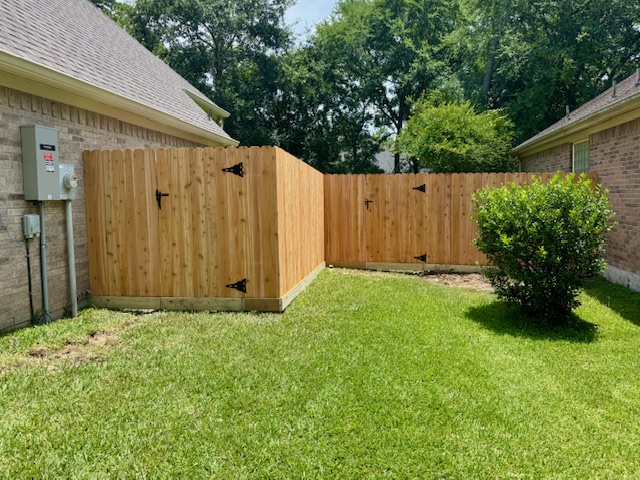
Wood fence posts in The Woodlands rot because of what happens in our climate. We get heat, humidity, and rain that sits in soil for months at a time. When wood stays wet and warm, fungi move in. They break down the cellulose in the post, and within a few years you have a fence that leans, sags, or falls over. I've pulled out posts that were solid ten years ago and found them soft as a sponge at the base. The good news is that knowing why it happens makes prevention straightforward.
How Rot Actually Starts
Rot doesn't happen overnight. It starts where the post enters the ground. That's where moisture pools and stays, especially in clay soil like we have around here. Water wicks up into the wood fibers. Fungi spores, which are always in the air and soil, land on that damp wood and germinate. They feed on the wood itself. Meanwhile, the wood can't dry out because it's buried and the soil stays moist. In The Woodlands, where we average 50 inches of rain a year and humidity is constant, this process accelerates.
The posts that fail fastest are the ones set directly in the ground with no barrier between the wood and soil. A post that's been in the ground for five years might look fine above ground but be rotting from the bottom up. By the time you notice the fence sagging, the damage is already deep.
Concrete Collects Water, Not Prevents It
A lot of people think pouring concrete around a post stops rot. It doesn't. Concrete actually traps water against the wood. Moisture still wicks up through the concrete, and now the post can't dry out from any direction. I've seen posts in concrete fail faster than posts set in tamped earth, because the concrete holds that moisture right there against the wood.
What concrete does is set the post firmly so it doesn't shift. That's its job. But it won't keep water away from the wood. If you're setting a new post, the concrete should slope away from the post so water runs off, not pools. Even better, leave a small gap between the concrete and the wood so air can circulate.
Pressure-Treated Wood Gives You Time
Pressure-treated posts last longer in wet ground because the wood has been infused with preservatives under high pressure. Those chemicals slow down the fungi. A pressure-treated post will typically last 15 to 20 years in the ground here in The Woodlands, compared to maybe 5 to 8 years for untreated wood. That's not forever, but it's enough time to get real value from your fence.
The catch is that pressure-treated wood still rots eventually. The preservatives protect the wood but don't eliminate the moisture problem. Once the chemical barrier breaks down, especially at cut ends and where the post meets concrete, rot resumes. That's why you see old pressure-treated posts fail too.
Cedar and redwood are naturally more rot-resistant than pine, but they're not immune. They cost more and still need protection. In my experience, a pressure-treated post with good drainage practices outlasts a cedar post with no drainage.
What Actually Works: Drainage and Air
The real solution is keeping the wood dry. That means two things. First, water has to move away from the post, not toward it. The ground should slope slightly away. If water pools around the base of a fence post, that post is going to rot. Second, air has to reach the wood. The more air circulation around the base, the faster the post can dry after rain.
Some people use metal post sleeves or plastic barriers around the bottom of the post before setting it in concrete. These work because they prevent direct contact between the wood and wet soil. The post still gets moisture, but it gets air too, so it dries. They add cost but add years to the life of the fence.
Digging a proper post hole also matters. If the hole fills with water and stays soggy, the post is in trouble. In The Woodlands, where we have clay, water drainage is slow. Digging deeper than the frost line and backfilling with gravel instead of clay helps water drain away from the post bottom.
Inspect the Base Every Few Years
Once your fence is up, check the posts at ground level every two or three years. Press a screwdriver or awl into the wood just above the soil line. If it sinks in easily, rot has started. If it's solid, you're good. Catching rot early means you can replace one post instead of a whole section.
If you see soft wood, the post needs to come out. Trying to repair a rotted post doesn't work. The damage spreads, and the post loses structural strength. A new post costs a fraction of what a fallen fence costs in repairs or liability.
Right Fence Company handles post replacement and new fence installation with proper drainage from the start. If you've got a fence that's sagging or posts that feel loose, call us. We'll assess what's happening and tell you whether repair or replacement makes sense.