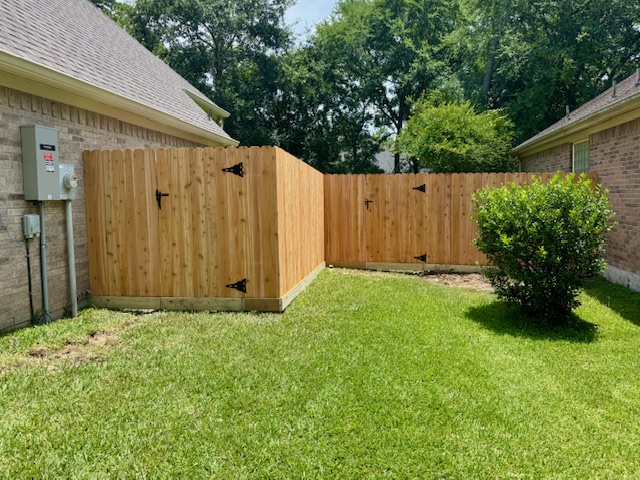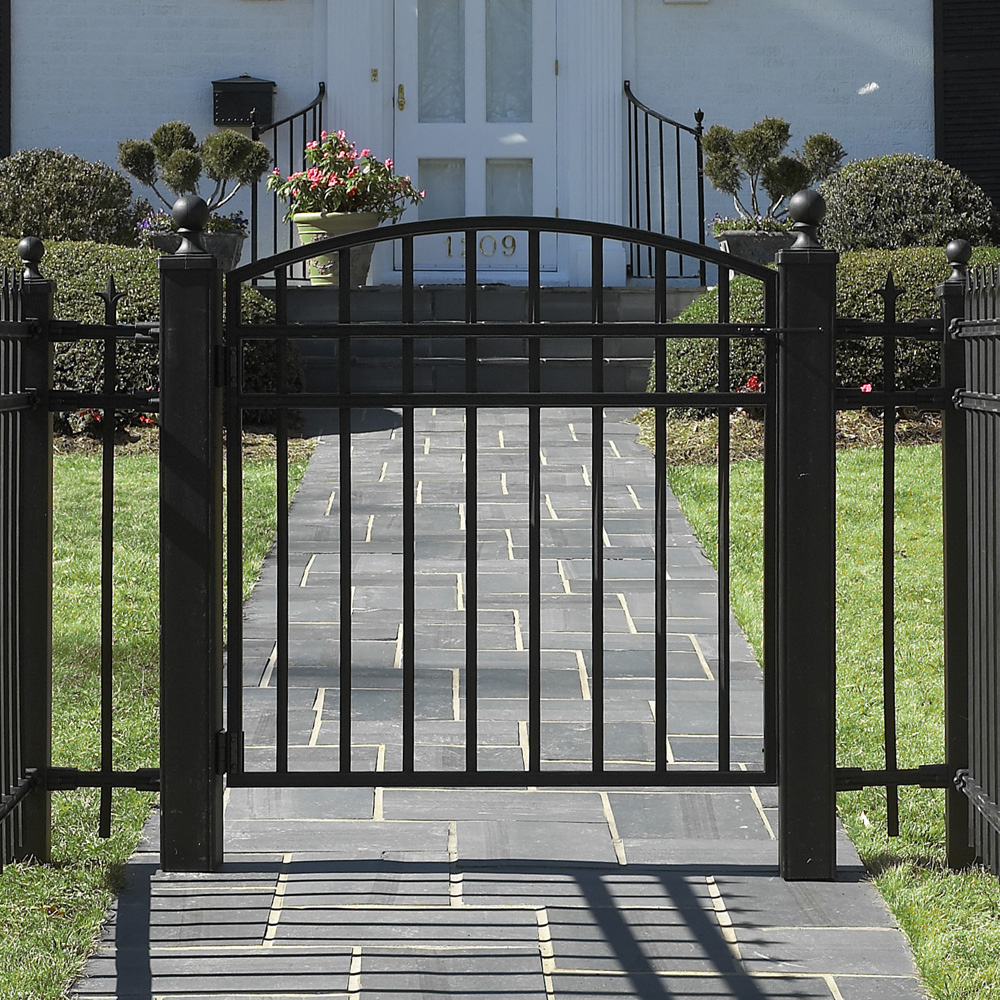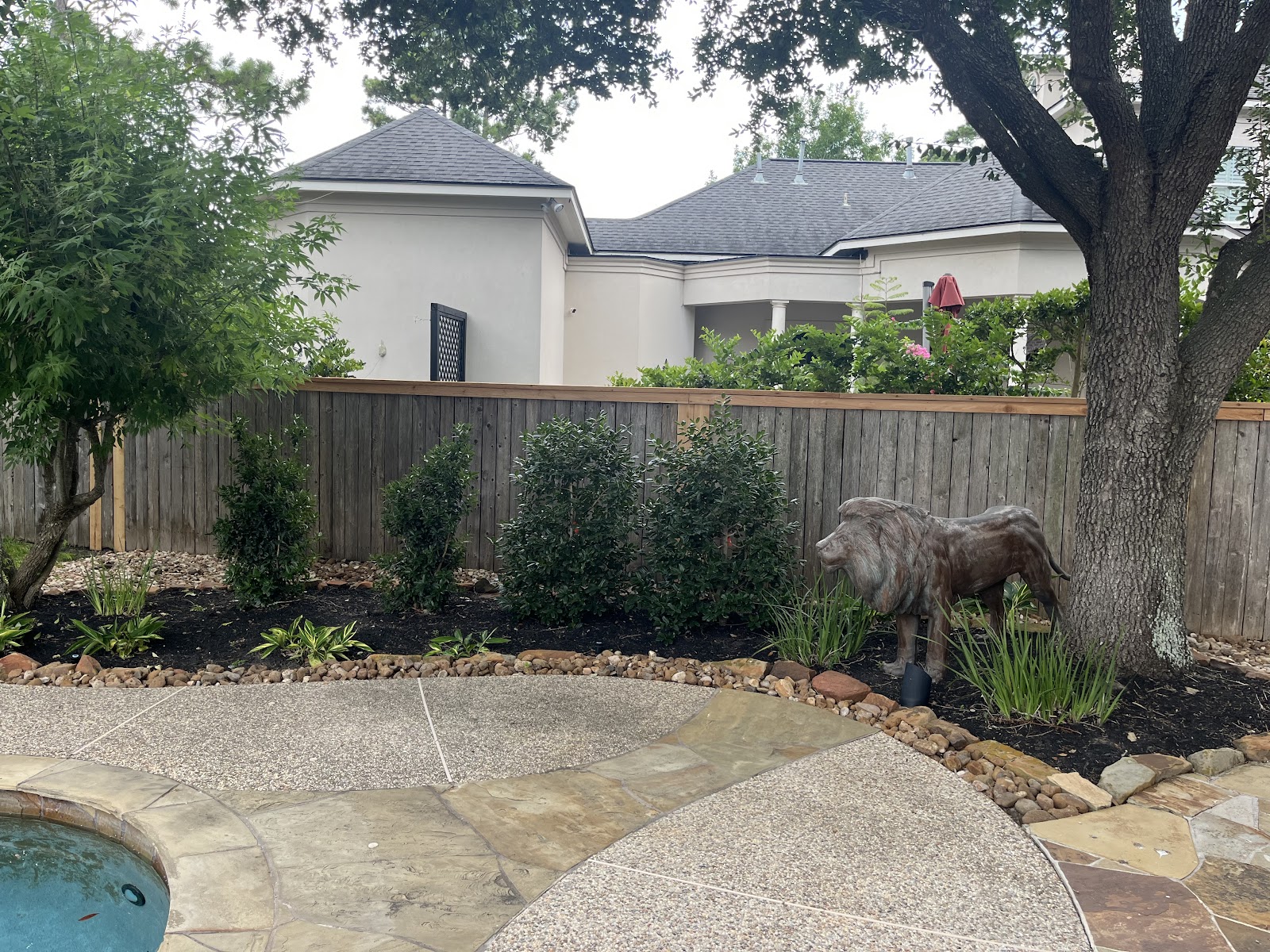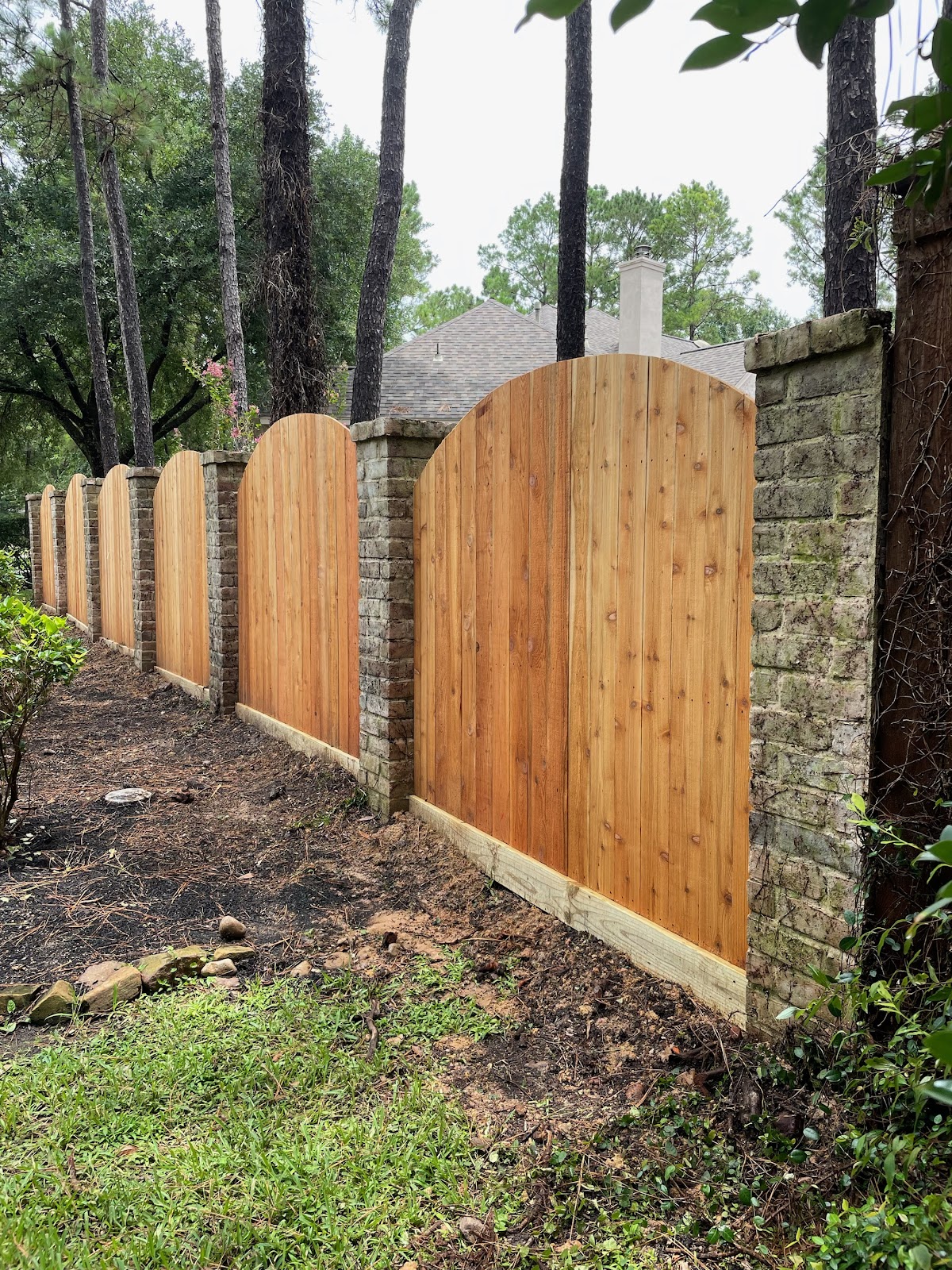
A wood fence is one of the best investments you can make on your Woodlands property, but it won't stay in good shape on its own. The Texas heat, humidity, and occasional ice storms wear on wood faster than most people expect. If you want your fence to last 20 years instead of 10, you need a maintenance plan that actually works. We've built and maintained hundreds of fences across The Woodlands, and the ones that hold up best are the ones where owners understand what's happening to their wood and take action before problems get serious.
Start with the Right Wood Species
Not all wood is equal when it comes to fence durability. Cedar and redwood are popular because they look good and resist rot better than pine, but they still need care in our humid climate. Pressure-treated lumber is cheaper and tougher, though it doesn't have the same appearance. The species you choose at the start matters more than most people realize. If your fence is already up, you're working with what you've got, but if you're planning a new one, pressure-treated wood will genuinely outlast cedar by several years if you maintain both properly. In The Woodlands, where we get steady moisture and heat, the investment in better wood pays off.
Inspect Every Spring and Fall
Set a calendar reminder to walk your fence line twice a year. Look for soft spots where you can push a screwdriver into the wood easily. Check for gray discoloration, which means the wood is starting to break down. Look at the base of each post where it meets the ground. That's where rot starts first. If you catch it early, you can treat the spot or replace just that section. If you ignore it for two or three years, you're replacing entire posts. In The Woodlands, spring inspection catches winter damage, and fall inspection gives you time to treat problems before the wet season hits hard.
Keep Water Away from the Wood
Water is wood's enemy. Standing water around fence posts accelerates rot dramatically. Make sure your yard slopes away from the fence line so rain doesn't pool against it. If you have a sprinkler system, adjust the heads so they're not spraying the fence. When you pressure wash your fence, which you should do every two to three years, let it dry completely before applying any sealant. Never install a fence directly on bare soil without a gravel base under the posts. That gravel lets water drain instead of sitting there. We always recommend at least four inches of gravel around the base of posts when we install new fences.
Seal and Stain on Schedule
This is the single biggest thing homeowners skip, and it costs them years of fence life. A good exterior wood sealant or stain protects the surface from UV rays and water penetration. You should reapply every two to three years, depending on the product you choose and how much sun hits your fence. In The Woodlands, fences on the south and west sides of your property take a beating from afternoon sun and need more frequent treatment. Before you seal, the wood needs to be clean and dry. Pressure wash it gently, wait at least a week for it to dry, then apply the sealant. This isn't glamorous work, but it extends fence life dramatically. A fence that gets sealed regularly will look better and last five to ten years longer than one that doesn't.
Replace Damaged Boards Early
A single rotted or cracked board is easy to replace. Two or three boards starting to fail is still manageable. Ignoring damage until half your fence is compromised means you're essentially replacing the whole thing. When you spot a board that's soft, cracked, or severely discolored, pull it out and put in a new one. It's a weekend project if you have basic tools. The cost of one replacement board is nothing compared to the cost of rebuilding an entire section. We can help with this work if you'd rather not tackle it yourself, but the important thing is not letting problems spread.
Watch Your Posts and Hardware
Posts are the skeleton of your fence. If they rot or settle, the whole structure fails. Check that your posts are still plumb and that none are leaning. Look at the bolts and fasteners. Rust spreads and weakens metal hardware. If you see rust, scrub it off with a wire brush and apply a rust-preventing coating. Galvanized hardware lasts longer than plain steel. When you're sealing your fence boards, don't forget to seal the tops of posts where water sits. That horizontal surface is a water trap and a common place for rot to start.
Know When to Call a Professional
Some maintenance you can handle yourself. Some problems need professional eyes. If you're unsure whether a post is still solid or whether a section is repairable, it's worth a quick call. Right Fence Company can evaluate your fence, tell you what's normal wear and what needs attention, and handle repairs or replacement if needed. We know the specific challenges Woodlands properties face and what works here. Whether you're maintaining a fence we built or one that was here when you moved in, we can help you keep it standing strong. Give us a call to schedule an inspection or discuss your maintenance plan.