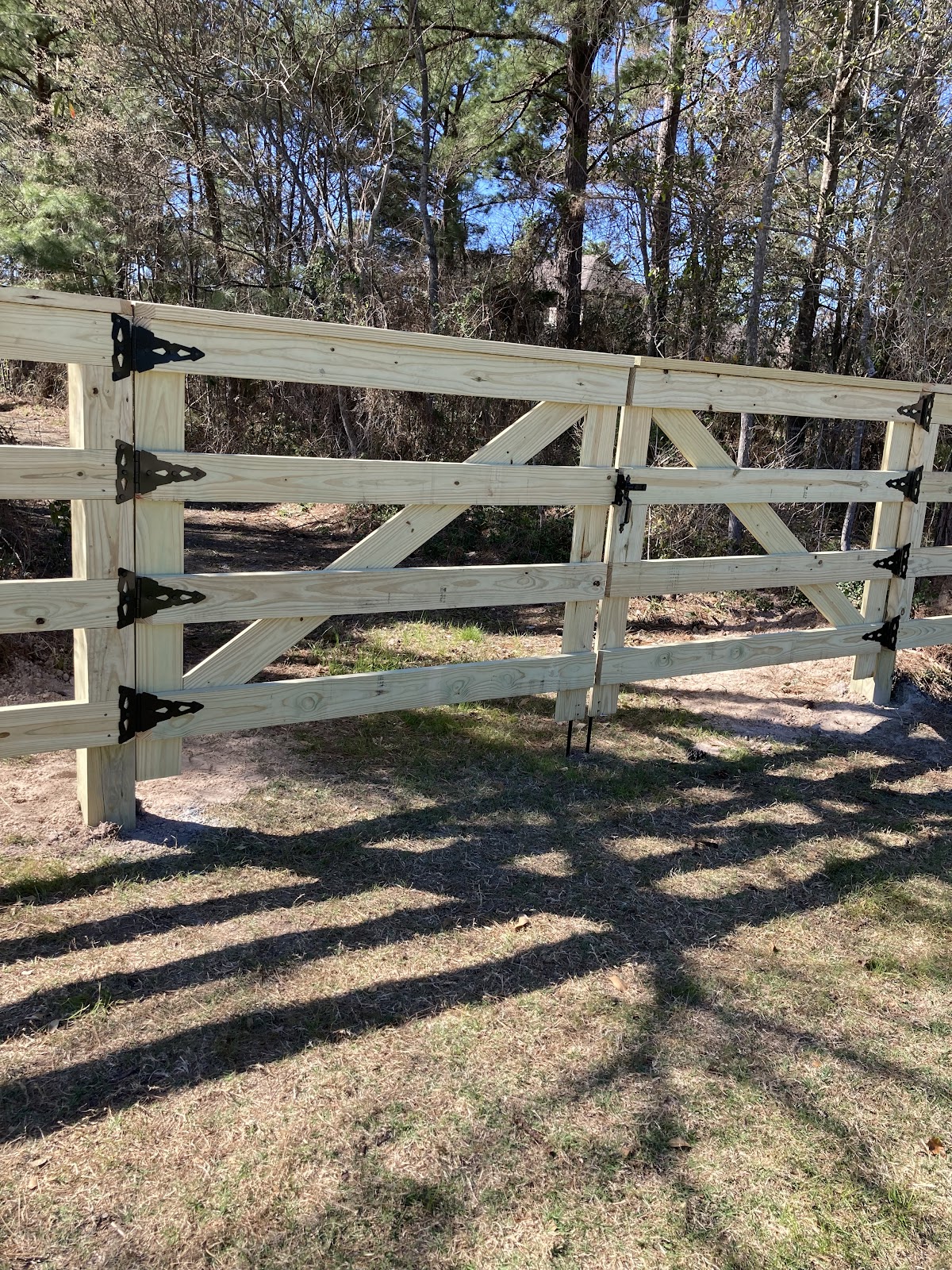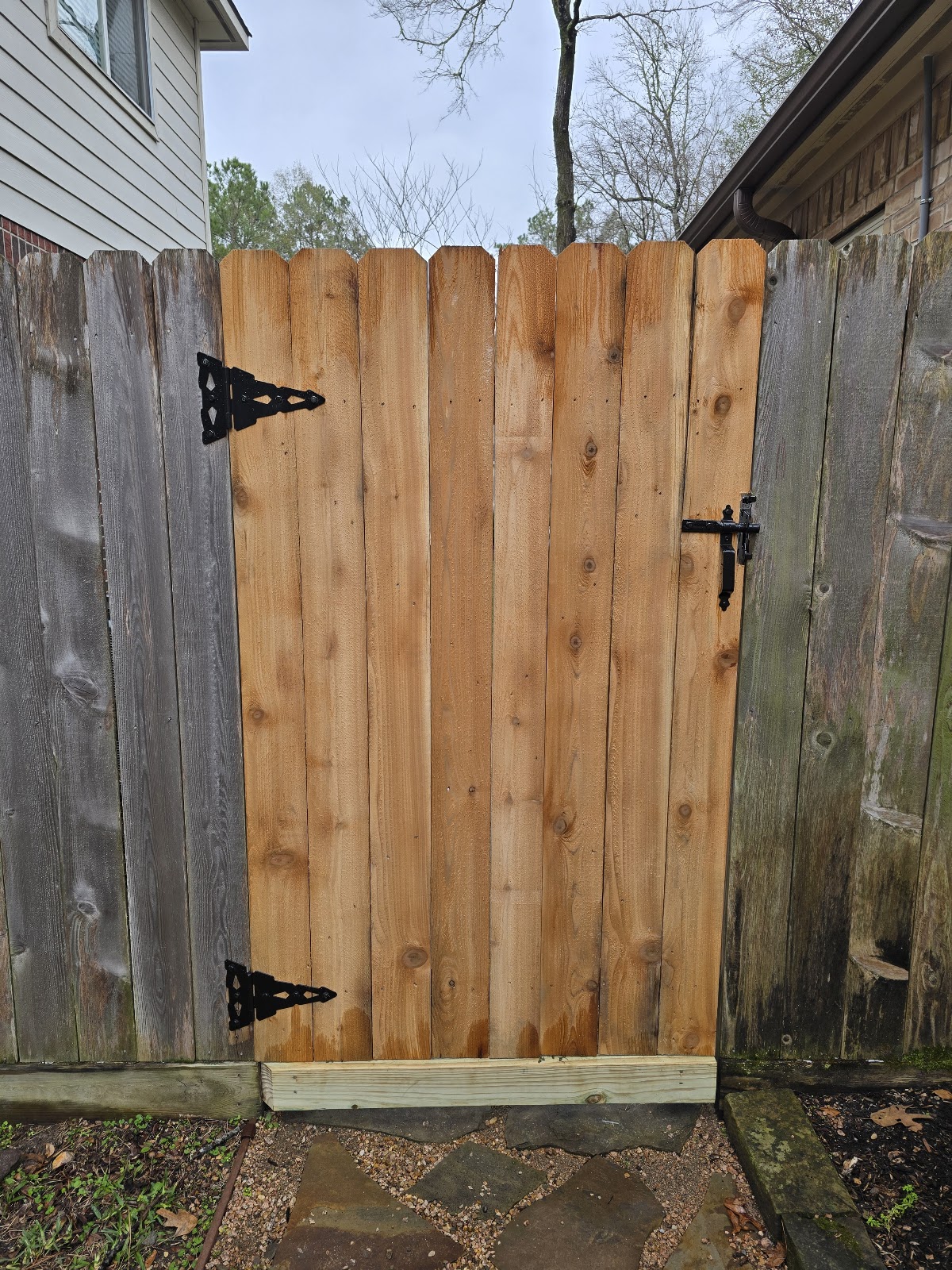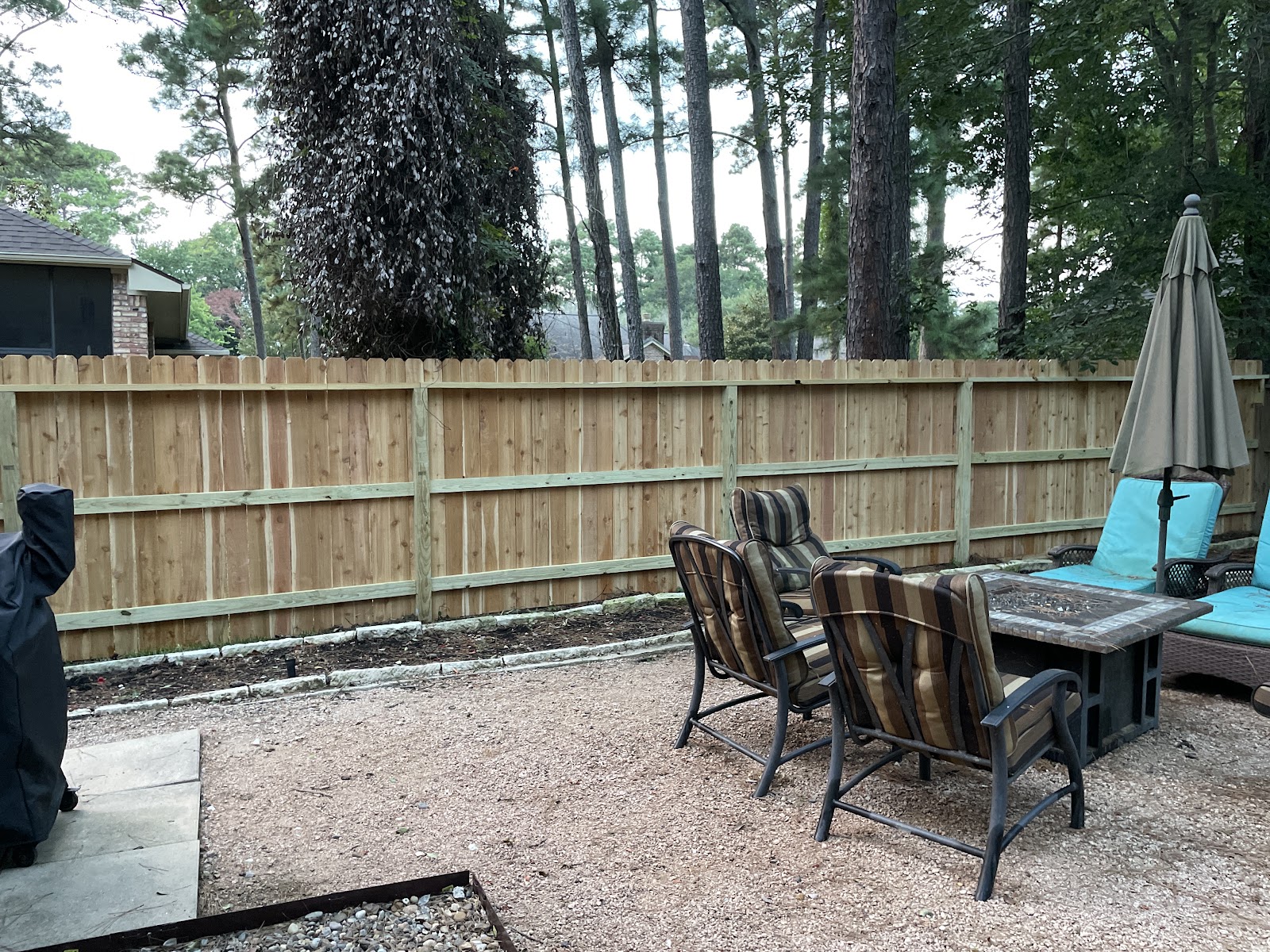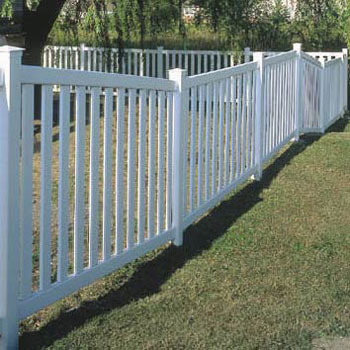
The gap between fence pickets is one of those decisions that sounds simple but actually shapes how your fence looks, how much wind it catches, and whether neighbors can see into your yard. Get it wrong and you either end up with a fence that feels like a wall or one that lets every gust of wind turn it into a sail. In The Woodlands, where we get afternoon thunderstorms and plenty of humidity, picket spacing matters more than most homeowners realize. The right spacing keeps your fence standing strong while giving you the privacy you want.
Why Spacing Affects Both Privacy and Wind Load
Picket spacing controls two things at once. The tighter your spacing, the more solid your fence looks from the outside and the less wind can pass through. A fence with pickets 1/8 inch apart looks almost like a solid wall. That blocks sight lines completely, but it also creates a flat surface that wind hits hard. In a storm, that pressure can snap boards, loosen posts, or tear the whole structure off its footings.
Wider spacing lets wind flow through instead of pushing against it. A fence with 1 to 2 inches between pickets is much more forgiving in high winds. But it trades privacy for durability. You can see through the gaps, and so can everyone else. For most homeowners in The Woodlands, that's a real drawback when you're trying to screen your pool area or patio from the street.
Standard Spacing Options and What They Mean
The most common spacing falls into three ranges. Pickets spaced 1/8 to 1/4 inch apart give you nearly complete privacy. This is what you want if your main goal is blocking views. The fence looks solid from a distance, though if someone stands close and looks hard, they can still see through the gaps. Wind still gets some resistance, but less than a truly solid fence.
Pickets spaced 1/2 to 1 inch apart are the middle ground. You get decent privacy from a normal viewing distance, and wind can move through more freely. This is the spacing I recommend most often for residential fences in this area. It balances what people actually want with what holds up in our weather.
Spacing of 1 1/2 to 2 inches or more is mostly decorative. These fences look nice and let plenty of light and breeze through, but they don't block views. You might choose this if you like the aesthetic of a picket fence but don't need privacy, or if you're fencing in a side yard where sight lines matter less.
Local Weather and Your Spacing Choice
The Woodlands sits in a zone where wind and rain are regular facts of life. Our spring storms can gust hard, and humidity means your fence is always dealing with moisture. Wider spacing helps your fence weather both. When wind has room to flow through the pickets rather than hit a solid surface, your posts and rails stay under less stress. The wood also dries faster when air can circulate, which slows rot and keeps your fence looking better longer.
If you choose tight spacing anyway because privacy matters more to you, make sure your posts are set deep and your rails are substantial. You're asking your fence to work harder, so it needs to be built stronger. That means concrete footings at least 30 inches deep and quality lumber throughout, not shortcuts.
Mixing Spacing for the Best of Both Worlds
You don't have to use the same spacing all the way around. Many homeowners in The Woodlands tighten spacing on the sides that face neighbors or the street, then open it up on sides where privacy is less critical. This gives you privacy where you need it and lets your fence breathe where wind and durability matter more.
You can also alternate pickets. Install every other picket, then add a second layer offset so pickets overlap slightly. This creates privacy while letting some wind through and saving money since you use fewer pickets. The look is distinctive, and the wind performance is solid.
Materials and Spacing Go Together
The material you choose affects how spacing works. Pressure-treated pine is the standard in The Woodlands. It's affordable and holds up fine with proper spacing and maintenance. Cedar looks better and resists rot naturally, which matters if you're going with tight spacing that limits airflow. Composite materials are more expensive but don't rot, so spacing becomes less critical for durability, though it still affects wind load.
Whatever material you pick, thicker pickets handle tight spacing better than thin ones. A 5/8-inch-thick picket can look solid at 1/4-inch spacing. A 3/8-inch picket looks flimsy with the same spacing.
Getting It Right From the Start
Your spacing choice is permanent once the fence goes up. Changing it later means replacing pickets and doing extra work. Think about what you actually want from your fence. Is privacy the main goal, or are you balancing privacy with durability and appearance. What direction does the worst wind hit your property. How much light and breeze do you want in your yard.
Right Fence Company can help you work through these questions and build your fence to handle The Woodlands weather while giving you the look and function you need. Call us to talk through your project and get a quote.