When you're planning a fence in The Woodlands, you're often planning it through oak and pine territory. A lot of homeowners don't realize that tree roots are one of the biggest complications we run into during installation. You can have the perfect fence design, the right materials, and a solid budget, but if you hit a major root system at post depth, the whole job changes. We've learned over the years that it's better to understand what's underground before you start digging than to make decisions on the fly when you're already in the hole.
Why Tree Roots Matter for Your Fence Posts
Fence posts need to go 2 to 3 feet deep, depending on soil conditions and wind load. That's deep enough to hit roots from trees that are 20, 30, or even 50 feet away from your fence line. The Woodlands sits on some dense clay with a lot of mature trees, so this isn't unusual. When a post hole hits a root, you have a few real problems. You can't set the post properly if the root is taking up space. You can't just break or cut through a major root without potentially damaging the tree. And roots that get damaged can cause the tree to weaken or become more susceptible to disease.
Identifying Problem Areas Before You Dig
Before we mark out a fence line, we walk the property and look at the trees. You can usually spot where the big root systems are by looking at how the ground sits. Roots often create slight mounds or ridges as they grow closer to the surface. We'll also ask you which trees you want to keep and how long they've been there. An oak that's been in your yard for 20 years has roots everywhere. If you know about these areas in advance, we can adjust the fence line slightly or plan for a different post method.
You don't need fancy equipment for this part. Your own eyes and a shovel to probe the ground tell you a lot. If you're planning a fence and you see a large root when you're digging your first test hole, that's your signal that this section needs a different approach.
Post Installation Solutions Around Roots
When we do hit a root system, we have a few options depending on how serious it is. If it's a smaller root, we can sometimes work around it by shifting the post location 6 to 12 inches in either direction. A foot of movement doesn't usually wreck the fence line visually, and it gets you past the problem. If the root is too big to move around, we can use a different post method. Concrete footings can sometimes be dug at an angle to avoid the root. In rare cases, we've used steel posts or different anchoring systems that don't require as much depth.
What we don't do is just cut through major roots. That's not good for the tree, and it's not a shortcut worth taking. The tree's health matters, and you're going to be looking at that tree for the next 20 years.
Timing and Tree Health Considerations
If a fence line runs through an area with significant roots, the best time to install is late fall or winter when trees are dormant. The tree is less stressed, and any minor damage from the work is less likely to cause problems. Spring and early summer are the worst times because trees are actively growing and pushing resources into new growth.
If you're dealing with a tree that's already showing stress, disease, or damage, you might want to have a local arborist look at it before the fence goes in. That costs a little money up front but saves you from potential tree loss later. In The Woodlands, where a mature tree can be worth thousands of dollars in property value, that's money well spent.
Working With Your Landscape
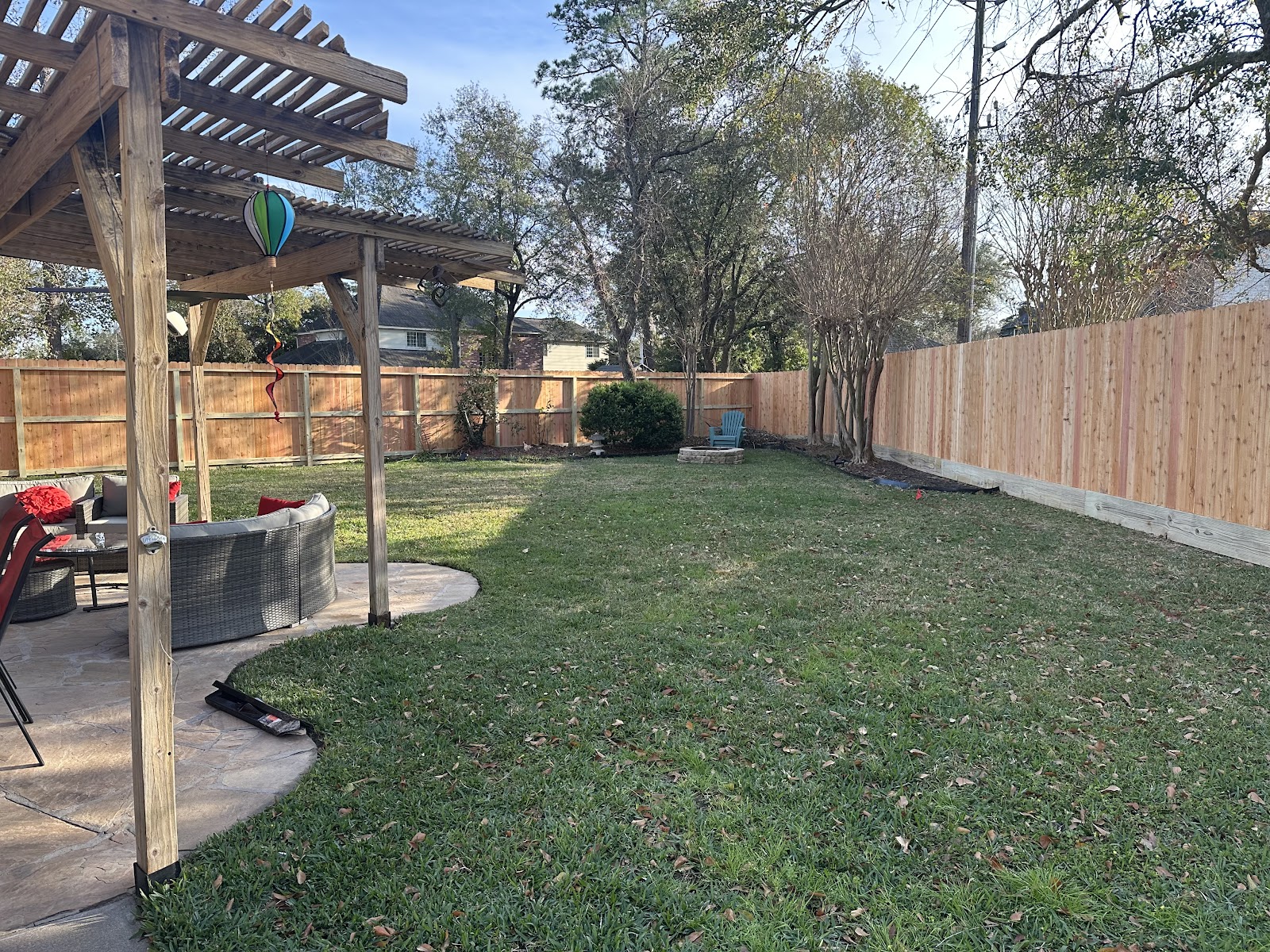
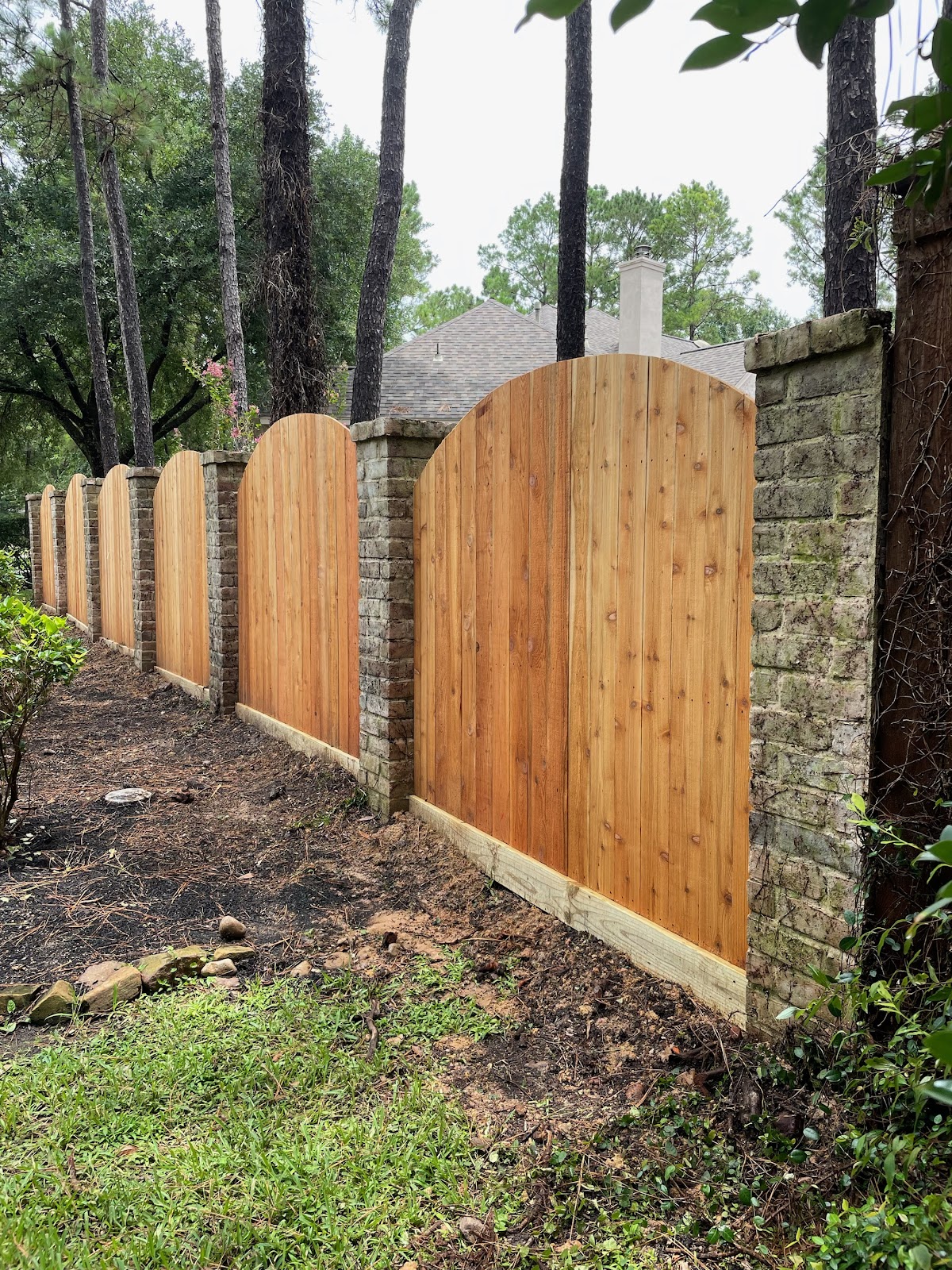
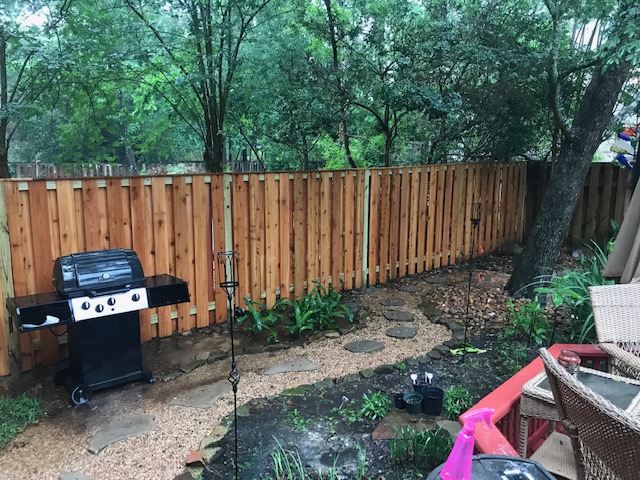
The fence line doesn't have to be a straight line if the landscape doesn't support it. We've installed plenty of fences that jog slightly to avoid a major tree or root system. It looks intentional, and it solves the problem. Some of the best-looking fences we've built are the ones that work with the land instead of fighting it.
If you have trees you want to protect, let us know early. We can design around them. If you're not sure whether a tree root is going to be an issue, we can come out and walk the property with you before you commit to anything. It takes an hour and saves a lot of headaches during installation.
The Bottom Line
Tree roots are a real part of fencing in The Woodlands. They're not a reason to skip the fence, but they are a reason to plan ahead. Right Fence Company has installed hundreds of fences in this area and knows how to work with the trees that are already here. If you're thinking about a fence and you're worried about what's underground, give us a call. We'll walk your property, identify the issues, and give you honest options.