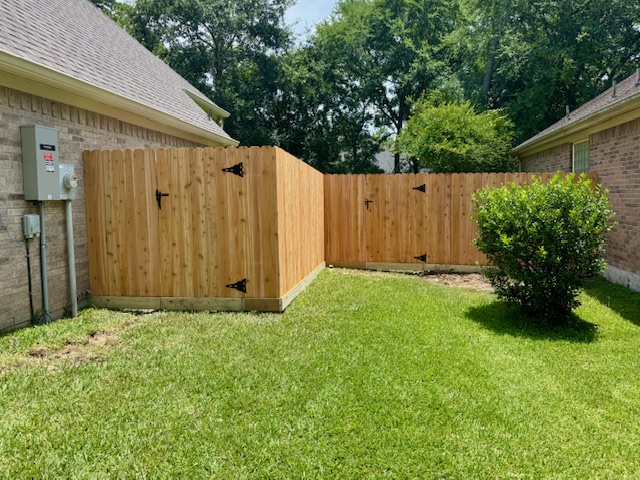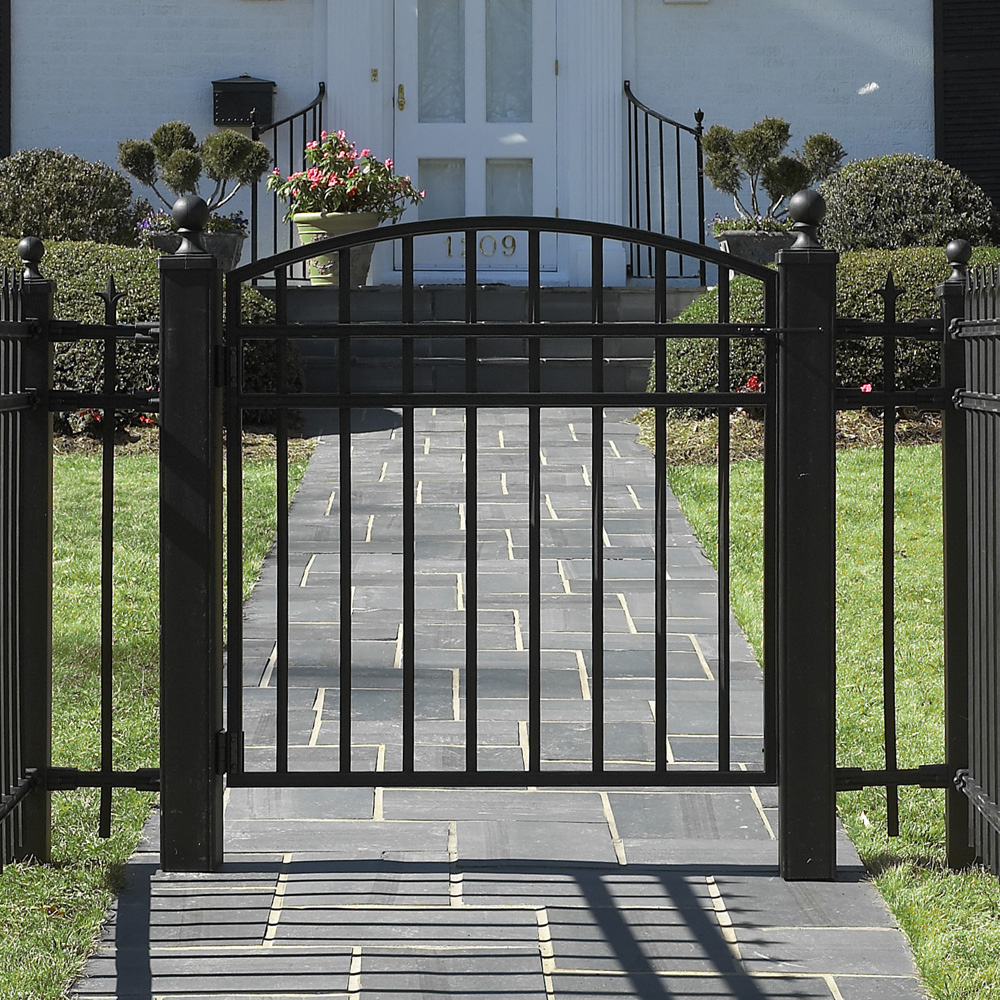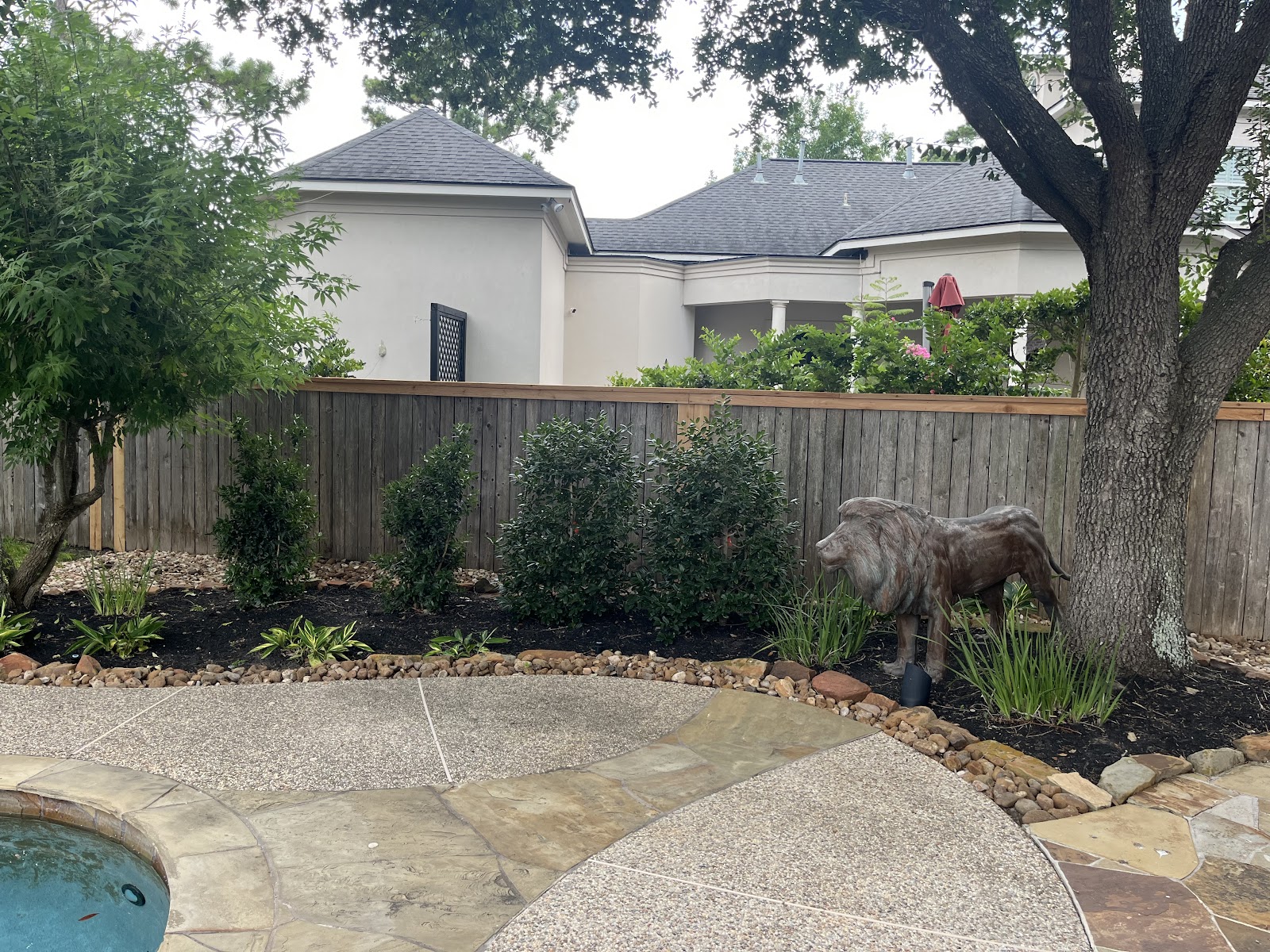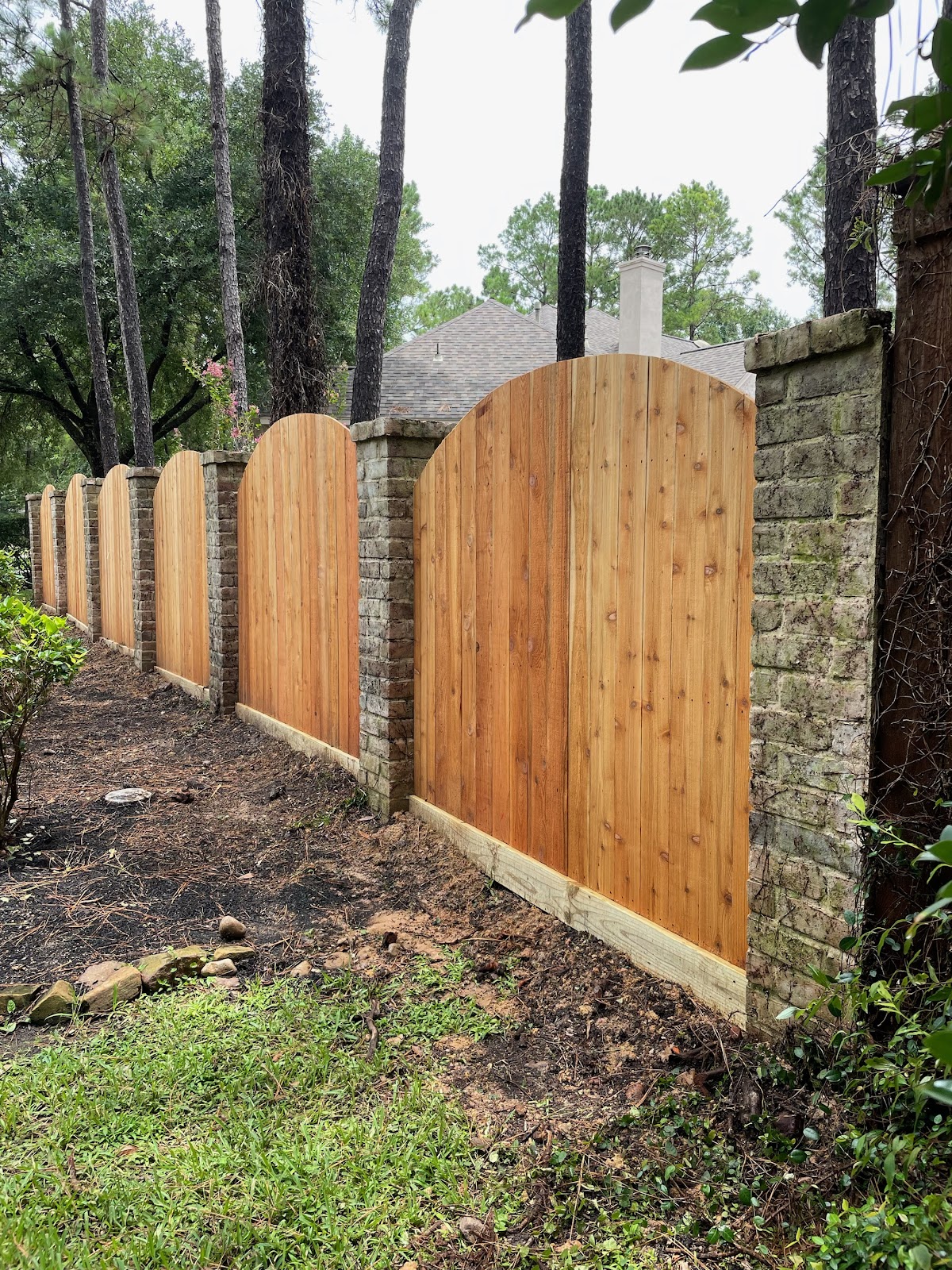
When a section of your fence gets damaged by a storm, a vehicle, or just years of weather, you don't have to tear down the whole thing and start over. A lot of homeowners assume that's the only option, but it's not. You can replace just the damaged section and keep the rest of your fence intact. This approach saves you money, takes less time, and keeps your property secure while the work happens. The key is knowing what's actually broken, understanding how your fence is built, and getting the right contractor to do the work cleanly.
Figure Out What's Actually Damaged
Before you call anyone, walk your fence line and look at what's really wrong. Is it one or two boards that are rotted or splintered. Is the whole section leaning. Are the posts still solid, or are they soft when you push on them. This matters because a sagging section might just need new boards, but a post that's rotted at ground level means you're replacing the post too.
In The Woodlands, wood fences get hit hard by humidity and occasional ice storms. Boards tend to rot from the bottom up, and posts fail where they meet the ground. If you've got a vinyl fence, look for cracks or sections that have come loose from the rails. Metal fences might have rust spots or bent panels. Knowing the material and what failed helps you explain the job to the contractor and get an accurate quote.
Understand Your Fence Structure
Most residential fences in The Woodlands are built one of two ways. The first is boards attached to rails, which are attached to posts set in concrete. The second is panels that slide into slots in the posts or bolt to them. Understanding which type you have changes how the repair works.
If you have board-and-rail construction, replacing a section usually means removing the damaged boards and rails, then installing new ones on the existing posts. If the posts are solid, this is straightforward. If you have panel fencing, the damaged panel slides or bolts out and a new one goes in. This is usually faster and cleaner.
The spacing of your posts matters too. Most residential fences have posts every 6 or 8 feet. If your damage is contained between two posts, you're looking at a clean repair. If it spans multiple sections or involves a post, the job gets bigger.
Know When You Need New Posts
This is the decision point for most repairs. If the posts are straight and solid, you keep them. If they're rotted, leaning, or cracked, they come out. Posts in The Woodlands often fail because of poor drainage around the base or because the concrete footing shifted. When a post fails, you have two choices: remove just that one post and replace it, or remove the posts on both sides of the damaged section to make the work cleaner.
Removing a single post is more surgical but takes longer. The concrete has to be dug out, the post pulled, and a new one set. Removing posts on both sides of a section lets you reset everything at once and make sure it's level and square. This costs more upfront but usually holds better over time.
The Actual Replacement Process
Once you know what's coming out, the work is straightforward. The contractor removes the damaged boards, rails, or panels. If posts are being replaced, they dig out the concrete footing, pull the old post, set a new one in fresh concrete, and let it cure before attaching anything to it.
New boards or panels go on next. If you're matching existing fencing, the material should be the same species and grade. Vinyl should match the color and profile. This matters for appearance but also for durability. A cheap board next to a high-quality one will fail first and look wrong.
The whole process for a single-section repair usually takes a day or two, depending on whether posts are involved. If posts need concrete to cure, add another day before the fence is back to full strength.
Why This Saves Money and Headaches
Replacing a section costs a fraction of replacing the whole fence. You're only buying materials for the damaged part. Labor time is shorter. You avoid the hassle of dealing with contractors on your whole property for weeks. And you don't have to deal with the temporary security gap of having no fence while work happens.
The only time a full replacement makes sense is if multiple sections are failing, the fence is very old and other parts are likely to fail soon, or you want a completely different style or material. Otherwise, section replacement is the smart move.
Call for a Real Estimate
Right Fence Company, LLC in The Woodlands knows how to diagnose fence problems and fix them the right way. We look at what's actually broken, figure out whether posts need replacing, and give you an honest estimate for just the work you need. Call us to schedule an inspection of your damaged section.